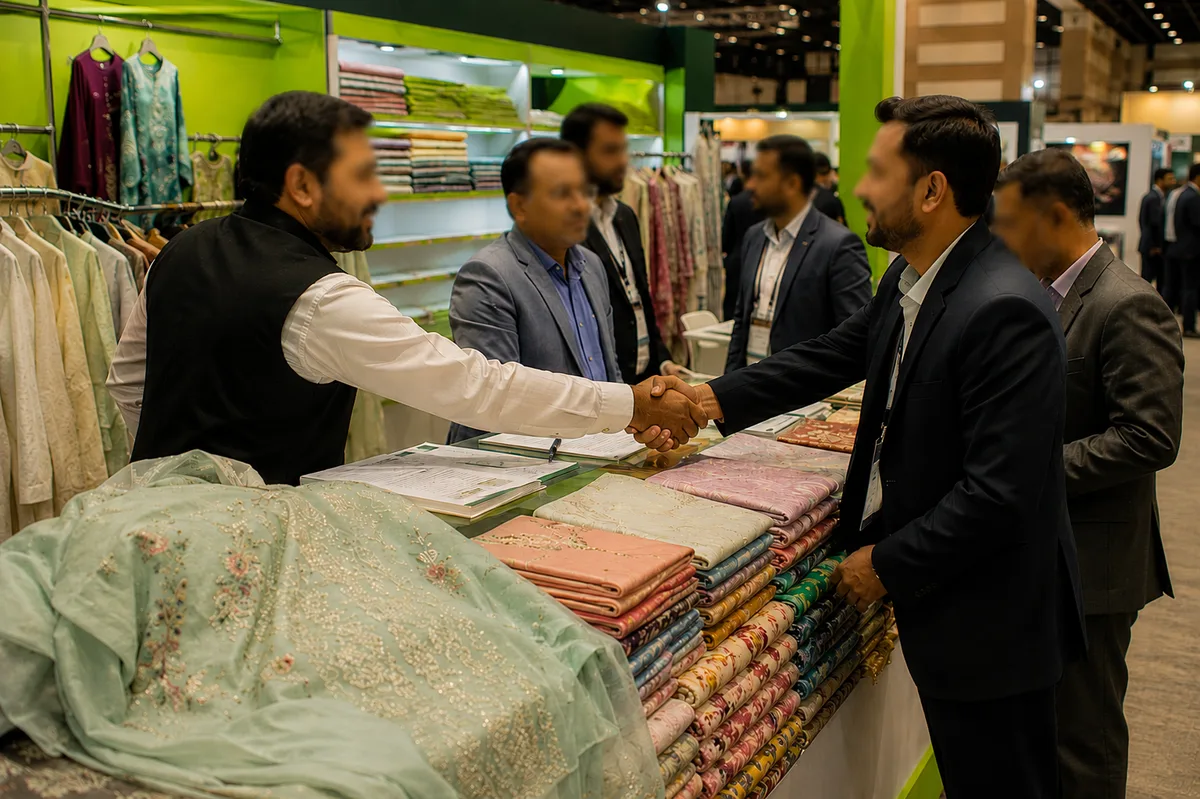

The Maldives produces almost nothing it consumes — no meaningful agriculture, no manufacturing base — which makes it one of the most import-dependent economies on earth. Its imports from Pakistan grew roughly 40% last year, and in September 2026 the first dedicated Pakistani trade exhibition opens there. Here's an honest look at what this market is, what it isn't, and who should be paying attention.
Why the Maldives Imports Almost Everything
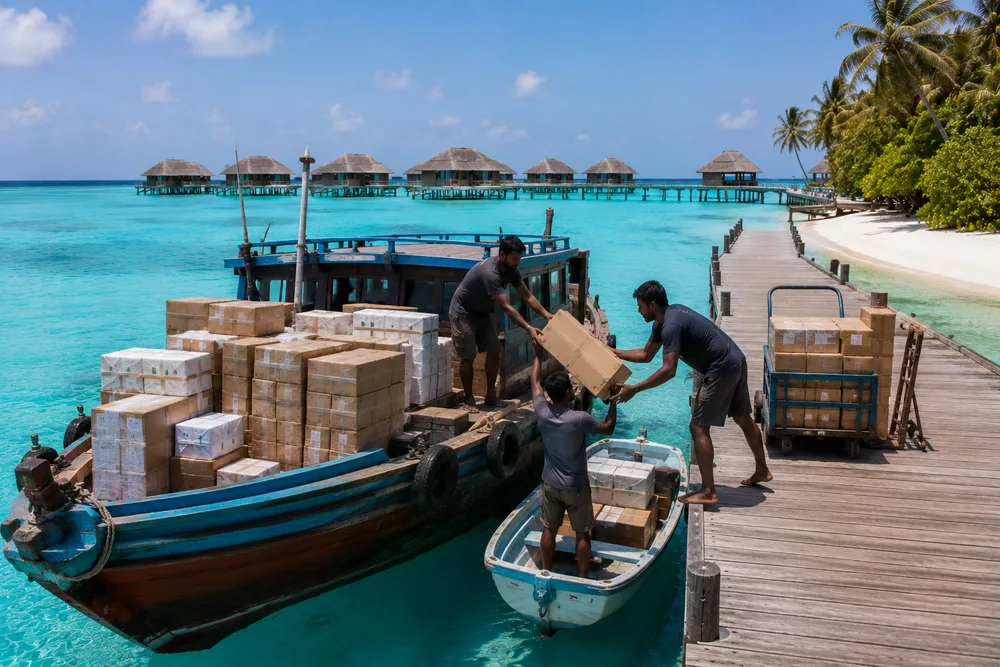
The Maldivian economy runs on tourism, and tourism runs on imports. Nearly everything a resort or household uses — food, textiles, furniture, medicine, building materials — arrives by sea or air from abroad. For exporters, that means there is no domestic industry to compete against in most categories; the competition is other exporting countries, chiefly India, Sri Lanka, the UAE, and China. Pakistan's share is small today, and that is precisely the opportunity.
Sources: Trading Economics, Export Genius trade data. See also the Pakistan Business Council's Maldives market access study.
Which Pakistani Products Are in Demand in the Maldives?
Current trade is led by pharmaceuticals — around $2.6 million in 2024 — followed by food categories: cereals, vegetable and fruit preparations, and meat. That's what already moves. The larger prize is what the resort economy consumes continuously:

What Makes the Maldives Different From Bigger Markets
Be clear-eyed: this is not Bangladesh or Sri Lanka. Total volumes are small, and the buyer landscape is concentrated — resort procurement teams, a handful of major importers, and government tenders make up most of the market. That cuts both ways. You won't build volume here the way you might in Dhaka, but a single resort-chain supply contract can be worth years of marketplace enquiries, and relationships, once formed, tend to hold because buyers have few alternatives to switch between.
The logistics reality
There are currently no direct shipping or air cargo routes between Pakistan and the Maldives — freight is typically routed through regional hubs such as Colombo. Price your quotes with transshipment time and cost included, and be upfront with buyers about lead times. Exporters who hide this in negotiations lose the relationship when the first shipment is late.
How Do You Enter the Maldivian Market?
Because the buyer pool is small and concentrated, the generic playbook — list on marketplaces and wait — performs even worse here than usual (we've written about why marketplace-only strategies stall). The buyers who matter are specific people at specific procurement desks, and meeting them in person is disproportionately valuable in a market this relationship-driven.
That's the thinking behind PLS Expo Maldives — the first dedicated Pakistani B2B trade exhibition in the Maldives, running 7–9 September 2026. First editions in new markets have historically been Pakistan LiveStyle's highest-leverage events for exhibitors: the buyers show up out of genuine curiosity about a new sourcing country, and the exhibitors who attend become the reference points for everyone who follows. Our Sri Lanka story started exactly this way in 2019 — that market is now on its 14th edition.
If you're not yet registered to export, start with the step-by-step exporter registration guide; if you're weighing costs, the trade show ROI guide gives you the formula to decide with.
Frequently Asked Questions
Is the Maldives a good export market for Pakistani businesses?
It is a small but fast-growing one. Maldivian imports from Pakistan rose from about $9.1 million in 2024 to $12.8 million in 2025 — roughly 40% growth in a single year — and because the Maldives produces very little locally, nearly every product category is import-supplied. It suits exporters looking for high-margin niches and first-mover advantage rather than volume.
Which Pakistani products are in demand in the Maldives?
Pharmaceuticals lead (around $2.6 million in 2024), followed by food categories — cereals, vegetable and fruit preparations, and meat. Beyond current trade, the resort economy creates steady demand for home textiles, linens, furniture, and food supplies — categories where Pakistani manufacturers are already competitive in neighbouring markets.
What is the biggest challenge exporting from Pakistan to the Maldives?
Logistics. There are no direct shipping or air cargo routes between Pakistan and the Maldives, so freight is typically routed through regional hubs such as Colombo. Factor transshipment time and cost into your pricing — and use face-to-face meetings to agree realistic terms with buyers.
When is the first Pakistani trade exhibition in the Maldives?
PLS Expo Maldives 1st Edition runs 7–9 September 2026 — the first dedicated Pakistani B2B trade exhibition in the Maldives, organised by Pakistan LiveStyle. Contact the team for booth details and availability.